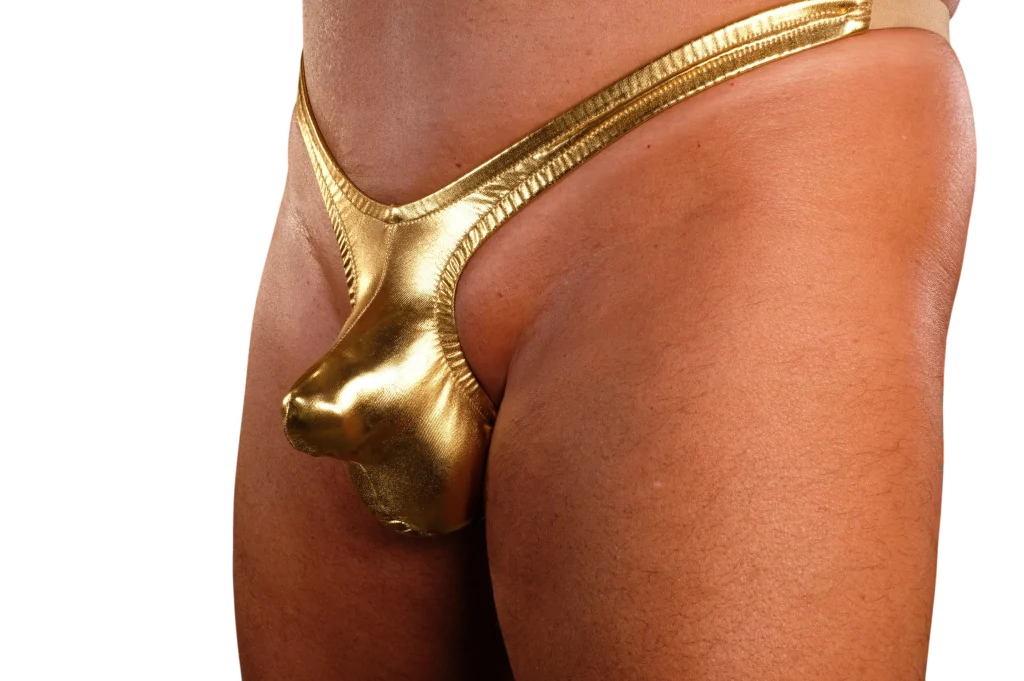
Why More Men Are Switching to Spandex G-Strings for Swimwear — And Why It’s No Longer Just a “Gay” Style
A Detailed Look at Changing Masculinity, Body Confidence, Fashion Trends, and Whether G-Strings Are Really Feminine
For decades, men’s swimwear in many Western cultures—especially in the United States—was dominated by board shorts, trunks, and looser silhouettes. Minimal swimwear for men, especially thong or G-string styles, was often stereotyped as niche, sexually provocative, or associated primarily with gay male culture. But that perception has shifted dramatically.
Today, more straight men are experimenting with spandex G-strings, thongs, and ultra-minimal swimwear than ever before. Beaches, resorts, cruise destinations, European coastlines, private pools, and social media have all played a role in normalizing what was once considered taboo. What was previously dismissed by some as “too gay,” “too feminine,” or “too extreme” is increasingly being reframed as body confidence, fashion freedom, and personal style.
The Big Shift: From Social Stigma to Style Choice
Then:
Historically, men’s thong or G-string swimwear in many places was often linked to:
- Gay male beach culture
- Exotic dancers
- Fetishwear
- European or Brazilian beach fashion
- Bodybuilders or physique competitors
Now:
Increasingly, men of many orientations are wearing them for reasons that have little to do with sexual identity:
- Better tanning
- Minimal tan lines
- Comfort
- Confidence
- Athletic display
- Fashion experimentation
- Body pride
- Partner encouragement
This shift mirrors broader changes in men’s fashion overall: tighter shorts, shorter inseams, body-conscious activewear, leggings, and grooming trends have all contributed to a world where men are more comfortable showing their physiques.
Why Straight Men Are Wearing G-Strings
1. Body Confidence and Fitness Culture
Modern fitness culture emphasizes physique visibility. Men who spend significant time building glutes, legs, abs, and overall shape may prefer swimwear that actually shows those results.
For some, large trunks can feel like hiding:
- Glute development
- Waistline
- Leg shape
- Symmetry
A G-string offers maximum body display, similar to how fitted dresses or bikinis can emphasize physique for women.
2. Tanning
This is one of the most practical reasons. Many men simply want:
- Fewer tan lines
- More even body color
- Better aesthetics for bodybuilding or beach culture
In tanning environments, function can outweigh cultural assumptions.
3. Comfort and Freedom
Some men report that less fabric can feel:
- Cooler
- Less restrictive
- Better for swimming
- More natural
- Easier to move in
Spandex also adds stretch, support, and a second-skin feel.
4. Influence of Global Fashion
Outside parts of the U.S., smaller men’s swimwear has long been normalized in many regions:
- Brazil
- Spain
- France
- Italy
- Greece
- Parts of Asia
As travel and social media expose men to international beachwear norms, many realize minimal swimwear is not automatically coded as sexual orientation.
Are G-Strings Feminine?
This is one of the most debated questions—and the answer depends largely on cultural perspective.
The Short Answer:
A swimsuit silhouette itself is not inherently feminine or masculine; styling, cultural context, and presentation matter.
Why Some See Them as Feminine:
- Similarity to women’s thong cuts
- Minimal rear coverage
- Association with lingerie aesthetics
- Western gender norms around modesty
Why Others Don’t:
- Men’s thongs often have anatomical pouch design
- Athletic or tanning function
- Historical precedent (many ancient and global garments were minimal)
- Masculinity is increasingly less defined by fabric quantity
In other words, wearing less fabric does not automatically feminize a man. For many, it simply modernizes or personalizes his look.
Masculinity Is Changing
A major cultural shift is happening where masculinity is less tied to avoiding femininity and more tied to confidence. Increasingly:
“If I like it and feel good in it, I wear it.”
This attitude has allowed many straight men to wear styles once avoided out of fear of judgment.
The Role of Partners
Many men report female partners encouraging:
- Thongs
- Bikini briefs
- Short shorts
- More flattering swimwear
For some women, confidence and physique display are more attractive than oversized trunks.
Is It Sexual?
Sometimes—but not always.
For some men:
- Yes, it feels sexy.
For others:
- It’s practical.
- It’s stylish.
- It’s empowering.
- It’s just swimwear.
The assumption that minimal men’s swimwear must be fetishistic is fading.
Common Types of Men Making the Switch
Fitness-focused men
Fashion-forward men
Travelers influenced by international beaches
Men seeking less restrictive styles
Curious first-timers moving from briefs to thongs
Men encouraged by partners
Social Challenges
Despite growing acceptance, stigma remains in some places. Men may still encounter:
- Homophobic assumptions
- Masculinity policing
- “Too feminine” comments
- Body insecurity
But as visibility increases, these reactions often diminish.
Final Thoughts
The rise of straight men wearing spandex G-strings reflects a broader evolution in men’s fashion and identity. What was once boxed into narrow stereotypes is becoming more about:
- Comfort
- Confidence
- Aesthetics
- Personal freedom
Are these suits feminine? They can be styled that way—but they do not have to be. On many men, they are simply bold, body-conscious, modern swimwear.
Ultimately, swimwear is becoming less about rigid labels and more about personal choice. For many men, the move to G-strings is not about changing orientation or rejecting masculinity—it’s about wearing what feels best, looks best, and fits who they are.