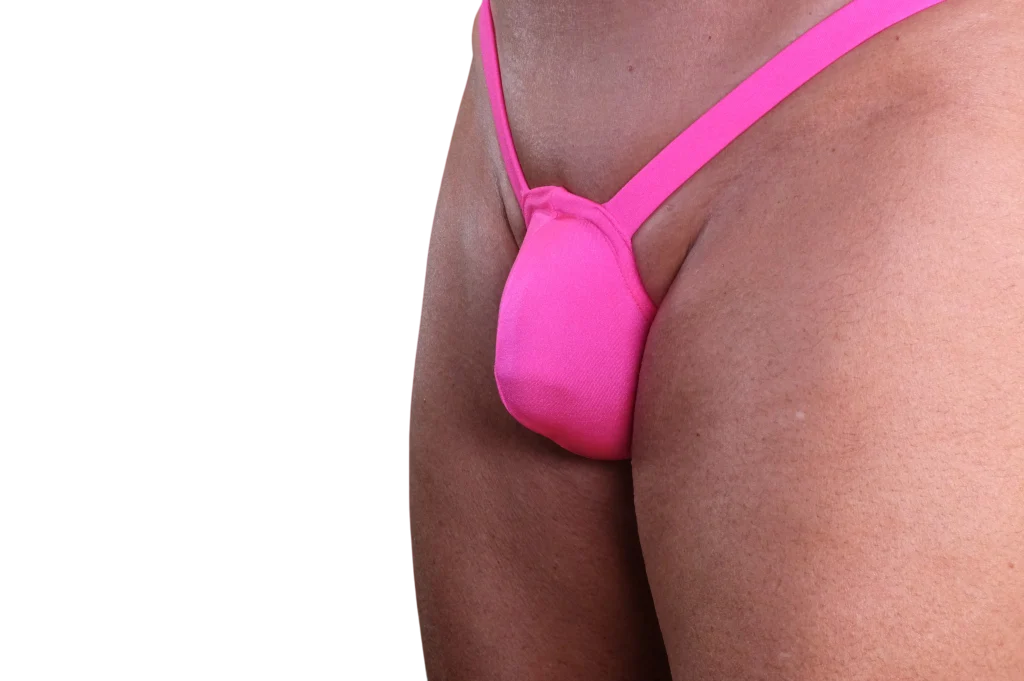
How the Spandex G-String Swimsuit Crossed Over from Women’s Fashion to Mainstream Men’s Swimwear
Few swimwear styles have experienced a transformation as dramatic as the spandex G-string swimsuit. Once viewed almost exclusively as a women’s fashion item, the G-string has gradually evolved into a swimwear option worn by men around the world. What began as a niche style adopted by select groups has grown into a recognized category of men’s swimwear, appearing on beaches, resort pools, cruise ships, and social media feeds everywhere.
The journey from women’s swimwear to mainstream men’s fashion did not happen overnight. It was the result of changing attitudes toward masculinity, body confidence, fashion, fitness culture, and the increasing acceptance of diverse swimwear styles.
The Early Years: A Women’s Fashion Statement
The modern G-string swimsuit first gained popularity through women’s fashion. During the 1970s and 1980s, swimwear designers began experimenting with smaller cuts and more revealing silhouettes. The goal was simple: create less fabric, reduce tan lines, and emphasize the body’s natural shape.
Spandex played a major role in making these designs possible. The revolutionary stretch fabric allowed swimwear to fit closely to the body while remaining comfortable enough for swimming, sunbathing, and active beach lifestyles.
At the time, men’s swimwear followed a very different path. Most men wore swim trunks, board shorts, or traditional swim briefs. The idea of men wearing G-string swimwear was almost unheard of in many parts of the world.
The Influence of International Beach Culture
While North America generally favored larger swimwear styles, many countries embraced smaller cuts for both men and women.
Throughout parts of:
- Brazil
- Spain
- France
- Italy
- Australia
- South Africa
men routinely wore swim briefs and other minimal swimwear styles.
These cultures often viewed smaller swimwear as practical rather than controversial. The emphasis was on comfort, athleticism, and tanning rather than strict gender expectations.
As international travel increased, many men from the United States and other countries began seeing different swimwear norms and bringing new ideas home.
The Role of the Gay Community
One of the most important chapters in the history of men’s G-string swimwear was its adoption by the gay community.
For decades, many gay men embraced fashion styles that challenged traditional expectations. Beaches, pool parties, pride events, and resort destinations became places where self-expression and body confidence were celebrated.
The G-string swimsuit offered several appealing qualities:
- Minimal tan lines
- Body-positive styling
- A bold fashion statement
- Greater freedom of movement
- Enhanced confidence
As gay beach culture grew throughout the 1980s, 1990s, and early 2000s, G-string swimwear became increasingly visible.
Specialty swimwear companies responded by creating designs specifically tailored for male anatomy. These suits were no longer simply women’s designs adapted for men. They became purpose-built men’s swimwear styles.
The Fitness Revolution
The explosion of fitness culture dramatically influenced men’s swimwear.
As more men invested time in:
- Weight training
- Bodybuilding
- Running
- CrossFit
- Functional fitness
- Personal training
many became increasingly comfortable showing their physiques.
Just as fitted athletic clothing became mainstream, smaller swimwear followed a similar path.
Men who worked hard to develop their bodies often wanted swimwear that showcased their results rather than hiding them under large shorts.
This shift helped normalize smaller swimwear options, including thongs and G-strings.
Social Media Changed Everything
Perhaps no factor accelerated acceptance faster than social media.
Platforms such as Instagram, TikTok, and fitness-focused online communities exposed millions of people to swimwear styles they might never have encountered otherwise.
Suddenly men could see:
- Fitness models
- Travelers
- Influencers
- Athletes
- Everyday beachgoers
wearing styles that previously seemed unusual.
What once appeared shocking gradually became familiar.
As exposure increased, the stigma surrounding minimal men’s swimwear decreased significantly.
The Rise of Modern Men’s Swimwear Brands
Swimwear manufacturers recognized growing demand and expanded their offerings.
Today’s men’s G-string swimwear comes in countless variations:
Sport G-Strings
Designed for active swimming and water sports.
Fashion G-Strings
Focused on style, colors, patterns, and body-enhancing cuts.
Micro G-Strings
Featuring minimal coverage for tanning and fashion-forward wear.
Luxury Designs
Premium fabrics, advanced tailoring, and designer aesthetics.
Gender-Fluid Styles
Created for individuals seeking less traditional swimwear expressions.
The growing variety has helped move the category beyond niche markets and into broader swimwear fashion.
Changing Ideas About Masculinity
One of the biggest cultural changes has been the evolution of masculine fashion itself.
Modern masculinity is often more flexible than previous generations experienced.
Today many men feel comfortable:
- Wearing brighter colors
- Experimenting with fashion
- Choosing body-conscious clothing
- Expressing individuality
- Prioritizing comfort over tradition
As these attitudes changed, swimwear naturally evolved alongside them.
The question gradually shifted from “Can men wear a G-string?” to “Why shouldn’t they wear whatever swimwear they enjoy?”
The Appeal of Spandex
Spandex remains central to the popularity of G-string swimwear.
The fabric offers several advantages:
- Exceptional stretch
- Quick drying
- Lightweight feel
- Durability
- Excellent body contouring
- Freedom of movement
Modern technical fabrics have improved comfort dramatically compared to earlier generations of swimwear.
As a result, today’s G-string swimsuits often feel far more comfortable than many people expect.
Beach Acceptance Today
Acceptance varies depending on location, culture, and venue.
However, many popular destinations now regularly see men wearing:
- Swim briefs
- Bikinis
- Thongs
- G-strings
- Micro swimwear
Particularly common locations include:
- Tropical resorts
- Cruise ships
- European beaches
- Brazilian beaches
- LGBTQ+ destinations
- Private pools
- Adult resort communities
Even in places where G-strings remain uncommon, they are far more visible than they were twenty years ago.
The Future of Men’s G-String Swimwear
The future appears likely to bring even greater diversity in men’s swimwear.
Fashion trends increasingly emphasize personal choice rather than rigid rules. Younger generations tend to be less concerned with whether a style was originally marketed to men or women and more interested in whether it looks good and feels comfortable.
As a result, the distinction between “men’s” and “women’s” swimwear continues to blur in some areas of fashion.
Conclusion
The spandex G-string swimsuit has undergone an extraordinary evolution. Once considered a style reserved almost exclusively for women, it was later embraced by portions of the gay community, refined by specialty designers, and ultimately introduced to a much broader audience of men seeking comfort, confidence, minimal tan lines, and personal expression.
Today, the men’s G-string swimsuit represents more than just a piece of swimwear. It reflects changing attitudes toward fashion, body confidence, and masculinity itself. Whether worn for tanning, comfort, athletic reasons, or simply because the wearer enjoys the style, the modern spandex G-string has secured its place as a recognized and increasingly accepted option in the ever-expanding world of men’s swimwear.